


Bazoš
4.419.00 Reviews
App Specs
- Version
- 2.24.1
- Updated On
- License
- Free
- Downloads
- 1,000,000+
- Developer
- Bazoš
- Categories
- Shopping
- Platform
- Android, iOS
Screenshots
 Analysis by AppCompare
I judge a local marketplace by a practical question: does it help me find or sell an ordinary item without turning a simple exchange into a project? Bazoš is most appealing when the answer depends on connecting with people nearby. It is a free shopping app from developer Bazoš, built around classified ads rather than the polished storefronts of large retailers. That makes it useful for second-hand finds and household clear-outs, though it also means buyers and sellers need to handle the details of a deal themselves.
How the local-classifieds approach works
The basic idea is refreshingly direct: browse listings, contact a person, and work out the exchange. I find that approach a better fit for used furniture, spare household items, and other purchases where condition and collection arrangements matter more than a standard checkout. The trade-off is that browsing is only the first step; you still need to ask sensible questions and agree on a safe, workable handover.
Browsing with a purpose
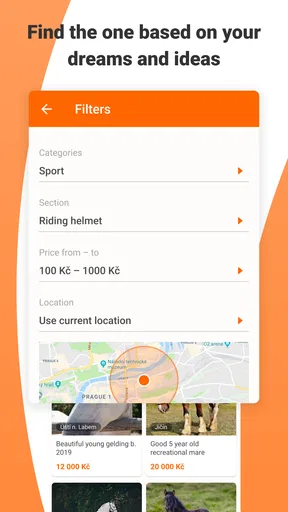
When I use a classifieds app, I get more value by deciding what I need before opening the search. For example, if I am looking for a desk, I would first consider the dimensions, how far I am willing to travel, and whether I can collect it. Location filtering is especially useful here: a cheap item stops being a bargain if getting it home is inconvenient or costly. I would narrow the search by area, then compare the listings that genuinely fit rather than chasing the lowest price in isolation.
Search results on a local marketplace can change as people post or remove ads, so I would treat a promising listing as a lead to check rather than a guaranteed offer. If an item is still available, a short, specific message is more useful than a vague expression of interest. Asking whether it is available, confirming its condition, and proposing a realistic collection window helps both sides decide quickly. This small habit is particularly useful for bulky goods, where a wasted trip is a bigger nuisance than it is for a small purchase.
Bazoš is free to download and has a Teen content rating. It has an average rating of 4.4 from around 33,000 ratings, and more than a million installs. Those figures suggest that it has found a substantial audience, but they do not tell me whether a particular item or seller is right for me; the quality of each transaction still depends on the listing and the people involved. Its current version is 2.23.3, and it requires Android 5.0 or later.
Making a sale without overcomplicating it
For a seller, the biggest practical advantage of a direct classified ad is control over the conversation. I can describe what I am selling, set an asking price, and respond to people who are interested instead of preparing an item for a formal retail process. A good listing should answer the questions I would ask as a buyer: what is included, what condition is it in, what are its dimensions if those matter, and where can it be collected? Clear photographs and a precise description can save several rounds of messages.
I would also think about the asking price as part of the negotiation, not as a promise that every buyer will accept it. If I want an item gone by a particular time, I would make that clear and decide in advance how much flexibility I have. For something with visible wear, showing the flaw in a photo is more helpful than hoping nobody notices it at pickup. That can reduce awkwardness and gives a buyer a fair basis for deciding whether the item suits them.
Worth Reading Before You Choose

EA SPORTS FC Mobile 26 Is a Bigger Football Game, but It Takes Time

Flipboard Shows What News Apps Must Do Beyond the Feed

Switching to Android Auto Means Rethinking Your Driving Routine

Google Calendar Makes a Crowded Week Easier to Manage

Ludo King Makes the Most of the Minutes Between Plans

Baby Panda World Brings Quick Play to Modern Phones, but Its Game Library Feels Busy
The app includes in-app purchases priced from $2.49 to $18.99 per item. I would check what an optional purchase does and whether it solves a real problem for my listing before paying. Someone clearing out a few household items may have no reason to spend extra, while a seller who cares about how quickly an ad reaches interested people may want to consider whether a paid option is worthwhile. I would not treat spending as a substitute for a clear title, useful photos, or a fair price.
Everyday exchanges and sensible precautions
A realistic use case is replacing a chair in a small flat. I would search locally, compare a few listings, and message the seller to confirm the chair’s condition and whether it can be collected at a time that works. Before setting out, I would agree on the price and location, check that I can transport it, and tell someone where I am going if I am meeting a stranger. That is not extra ceremony; it is how I would make a person-to-person purchase predictable.
For sellers, a similar bit of preparation helps. If I were listing a lamp, I would test it, photograph it in good light, mention any damage, and arrange a handover somewhere sensible. I would avoid sharing unnecessary personal details and would be wary of pressure to change the agreed plan at the last moment. A classifieds app can make contact convenient, but it cannot remove the judgment involved in deciding whether a buyer’s or seller’s behavior feels reasonable.
The original article’s experience of user reviews and ratings should be treated as one useful signal, not a guarantee. A positive record can help me feel more comfortable, but I would still read the actual exchange carefully and use common sense. I would not send money merely because a profile looks reassuring, and I would not assume every offer is genuine. For a valuable item, I would favor a clear, in-person arrangement where I can inspect the goods before completing the deal.
Where it sits among shopping alternatives
Compared with a large online retailer, Bazoš is a better match for local second-hand buying and direct negotiation, but not for a standardized purchase with a uniform product page and a familiar checkout flow. Retail shops are more convenient when I want a new item, predictable stock, and a formal order process. A classifieds listing is more personal: the item’s condition, collection, and terms are specific to that seller, so I need to assess each offer individually.
It also serves a different purpose from a neighborhood social-media group. A group can be handy when I already know the community or want to ask neighbors about a particular item, while a dedicated classifieds app gives me a place to browse listings with shopping intent. Which works better depends on the item and the local activity. I would check both if I were hunting for something uncommon, but I would avoid spreading messages across several channels unless the search justified the extra effort.
Against a conventional auction format, the direct-contact model can feel less formal and leaves more room to agree on collection or price. That flexibility is useful for furniture and other goods that are awkward to ship. It can also mean more back-and-forth, unanswered messages, and uncertainty about whether an item is still available. If I need a firm delivery date or a straightforward return process, a retailer or a platform with a more structured transaction may be a better choice.
Who will get the most from it
I would recommend Bazoš to people who are comfortable dealing directly with other people and who have practical reasons to buy or sell locally. It suits someone furnishing a room on a budget, passing on usable belongings, or looking for a specific second-hand item without needing a new product from a chain store. It can also be handy for a seller who wants to manage a listing and speak with potential buyers rather than hand the process over to a shop.
I would be less enthusiastic about it for someone who wants every purchase to follow the same steps, dislikes arranging meet-ups, or needs a guaranteed delivery and customer-service route. It is also not the best fit when the item is urgent and I cannot afford to wait for a suitable listing or a reliable response. In those cases, paying more through a retailer can be a reasonable trade for convenience and certainty.
People new to classifieds may wonder how to judge whether an ad is worth pursuing. I would look for enough detail to understand what is being sold, check that the price and collection terms make sense, and ask direct questions before traveling. If the description is unclear or the seller avoids basic questions, I would move on rather than trying to talk myself into a risky deal. There is usually little benefit in treating one listing as my only chance.
Another common concern is whether a local deal is really cheaper once logistics are included. My rule is to compare the whole effort, not just the listed price: travel, transport, time, and the item’s condition all matter. For a nearby small object, collection may be easy; for a wardrobe, I would confirm measurements and transport before agreeing. This is where location filtering becomes more than a convenience—it helps me rule out offers that are attractive on screen but impractical in real life.
A few trade-offs worth knowing before you start
Classifieds reward patience, but I would not browse aimlessly. Saving a clear idea of the item, acceptable condition, and realistic travel radius makes it easier to spot a good match and avoid impulse purchases. For a seller, responding promptly and keeping the listing accurate reduces confusion if the item has already been sold or its availability changes. These are simple habits, but they matter more in a direct marketplace than they do in a shop where stock and checkout are handled for me.
There is also a balance between privacy and convenience. A buyer and seller need enough information to arrange a handover, but there is no need to reveal more than the exchange requires. I would keep messages focused on the item and logistics, agree on a public meeting place when practical, and reconsider if someone asks for unusual arrangements. The app can help people find one another; safe decisions still belong to the people using it.
Because the app is free, trying it does not require a purchase, though optional in-app purchases are available. I would start with ordinary browsing or a straightforward listing and see whether the local results are useful before considering any paid extras. The value depends heavily on what people nearby are posting, so the experience can be excellent for one search and thin for another. That variability is a normal part of local classifieds, not a reason to assume every category will be equally active.
My verdict on Bazoš
The app’s strengths are its direct, local style and its usefulness for exchanges that benefit from a conversation: checking condition, negotiating, or arranging collection. Its limitations come from the same design. A buyer has to assess listings and people, and a seller has to handle questions and handovers. I see that as a fair trade for anyone who values local choice and is willing to take an active role, but not as a universal replacement for online retail.
So, isn’t your run-of-the-mill marketplace app. It’s like a local flea market, garage sale, and thrift store all rolled into one neat package on your phone. Available on both Android and iOS, it connects buyers and sellers in a way that's straightforward and user-friendly.
Getting Started: Setup and Navigation
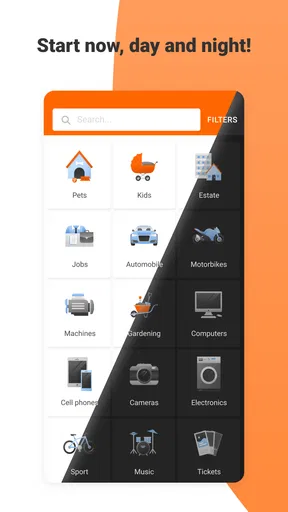
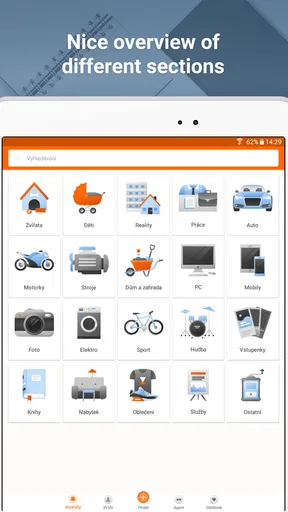
First things first, downloading and setting up Bazoš is a breeze. The app’s interface is about as intuitive as it gets. No frills, just functionality. Once you’re in, you can easily browse through a variety of categories ranging from electronics to furniture. The search functionality is robust; you can filter results based on location, which is a lifesaver if you’re looking to buy something nearby.
Setting up your profile is simple. You just need a valid email address, and you're good to go. The app doesn’t bombard you with unnecessary notifications, which is a big plus in my book. Who needs their phone buzzing every five minutes, right?
Buying and Selling: The Heart of Bazoš
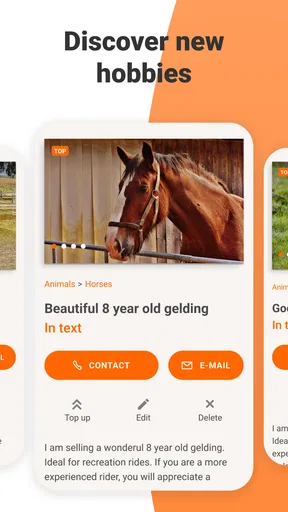
If you’re like me and love a good bargain, Bazoš is where it's at. The buying process is straightforward. See something you like? Just tap to contact the seller directly. You can negotiate prices and arrange meet-ups through the app, which keeps everything organized.
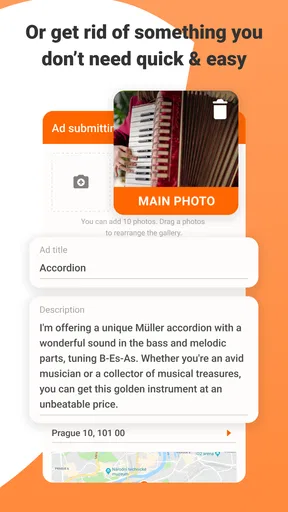
Selling is equally simple. Just snap a photo, write a brief description, set your price, and you’re in business. One nifty feature is the app’s ability to manage your listings. You can easily edit or remove items as needed. Plus, there’s no commission, so what you earn is all yours.
Community and Safety
One thing that stood out to me was the community vibe. The app fosters a sense of trust and transparency. Users can leave reviews and ratings for each other, which helps in building a reliable network. I found the majority of users to be genuine, and transactions were smooth.
However, as with any marketplace, it’s essential to stay cautious. The app encourages safe meet-ups and provides tips on how to avoid scams. Trust your gut and always meet in public places if possible. Safety first, folks!
Why Choose Bazoš?
Now, you might be wondering, why not just use one of the bigger marketplace apps? Well, Bazoš has this local charm that’s hard to resist. It’s less about the hustle and bustle and more about connecting with people in your community. Plus, the app's lightweight design means it won’t bog down your phone.
Whether you’re looking to declutter or find that unique piece you’ve been hunting for, Bazoš delivers. It’s like having a local market at your fingertips, available anytime, anywhere.
In conclusion, if you’re in the market for a reliable app that simplifies buying and selling, give Bazoš a shot. It’s user-friendly, community-driven, and quite simply, a lot of fun to use. Who knows? You might just find your next favorite thing on Bazoš.
Pros
- User-friendly interface for easy navigation.
- Wide range of categories for diverse listings.
- Free to post ads without hidden charges.
- Quick search feature enhances user experience.
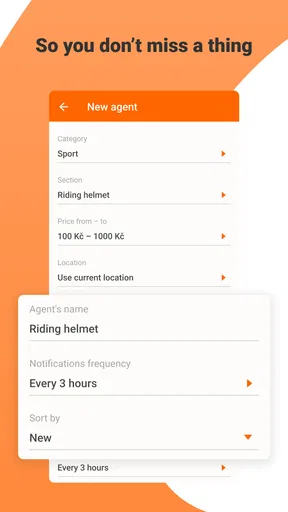
- Notifications for new offers save time.
Cons
- Limited international reach beyond local markets.
- Ads can sometimes be outdated or inactive.
- No built-in payment system for transactions.
- Customer support can be slow at times.
- Occasional bugs affect app performance.
FAQs for Bazoš
What is Bazoš and how does it work?
Bazoš is a popular online marketplace app available for Android and iOS that allows users to buy and sell items locally. It functions similarly to other classified ad platforms, providing a space for users to list items for sale, browse listings, and communicate with potential buyers or sellers. The app aims to simplify local commerce by connecting users directly.
Is it free to use Bazoš, and are there any hidden fees?
Yes, Bazoš is free to download and use for both buyers and sellers. However, there might be optional paid features for sellers who want to promote their listings for increased visibility. These features are clearly marked and entirely optional, so users can fully utilize the app without spending any money if they choose.
How safe is it to buy and sell on Bazoš?
Bazoš emphasizes user safety by allowing users to rate and review each other after transactions. While the platform does not handle payments directly, it encourages secure communication and transactions. Users should always meet in safe, public places for exchanges and verify items before completing purchases to ensure safety.
How can I manage or promote my listings on Bazoš?
Managing your listings on Bazoš is straightforward. You can easily edit or delete listings through your profile. For greater visibility, Bazoš offers promotion options, such as highlighting your ad or placing it at the top of search results. These services are available for a small fee, enhancing your chances of a successful sale.
What kind of items can I buy or sell on Bazoš?
Bazoš accommodates a wide range of categories, allowing users to buy and sell almost anything, from electronics and clothing to cars and real estate. There are some restrictions on prohibited items, which include illegal goods, firearms, and other unsafe products. It's important to review the platform’s guidelines to ensure compliance.


